
Magnetic (Hall effect) keyboards
Magnetic keyboards use Hall effect switches: a magnet in each key's stem and a sensor on the circuit board that measures exactly how far the key has moved. Because the board knows the key's position rather than just on or off, you can set the actuation point for each key, and use rapid trigger, which resets a key the instant it starts to rise.
Both matter most in fast competitive games, where quicker repeated presses and cleaner strafing give a small but real edge. For typing, a shallow actuation point can make a board feel quick and light, though many people set it deeper to avoid typos.
Check how the settings are changed (some boards use a web app, others need software installed), and whether the board is hot-swappable, because magnetic boards only take magnetic switches of a compatible type. Our magnetic keyboards guide covers the settings and what to look for.
Prices include VAT. Sound tags are our summary of what owners and reviewers report, not measurements.
15 keyboards
Filter these by price, switch and more- 100%
- 96%

- 100%

- 75%

- TKL
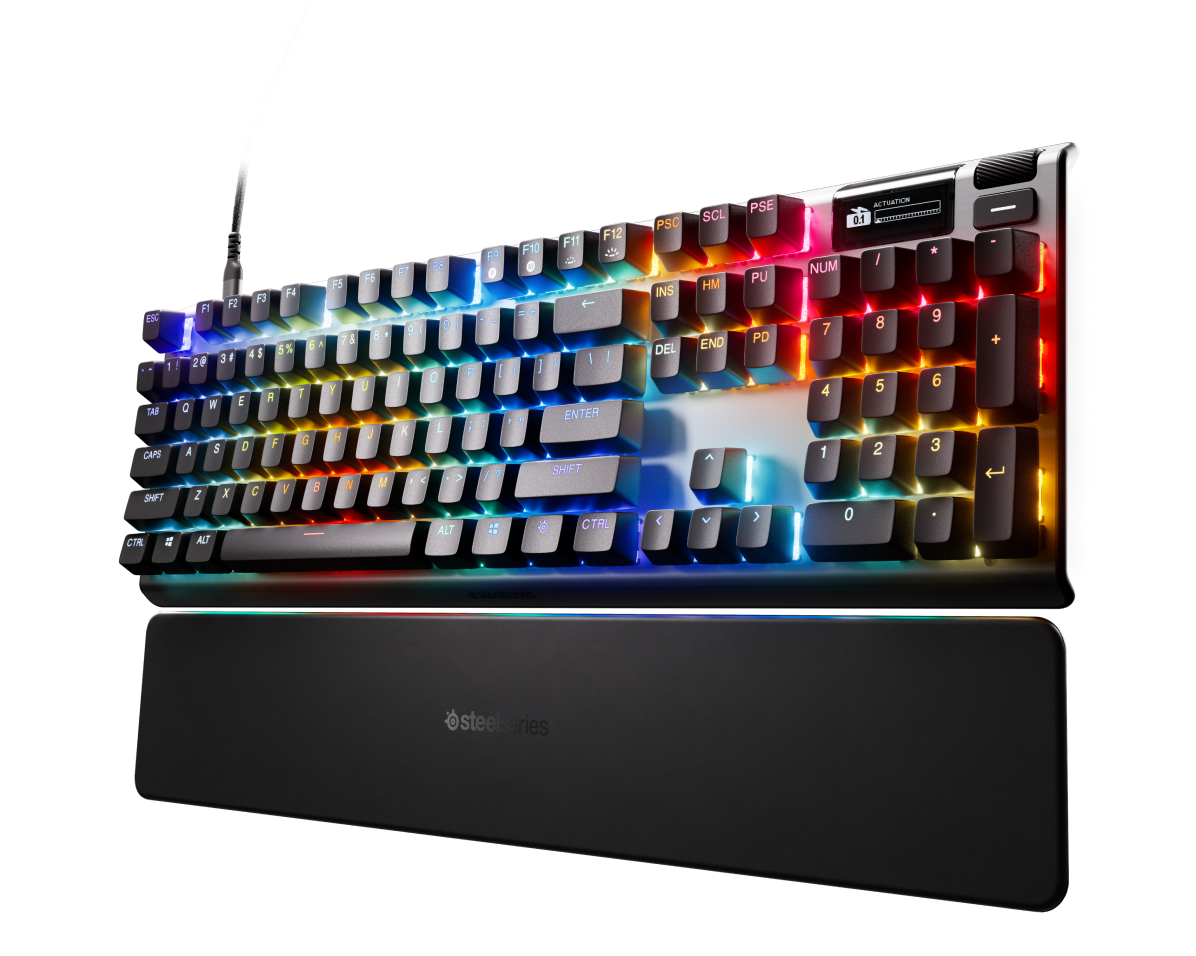
- 60%

- 75%

- TKL
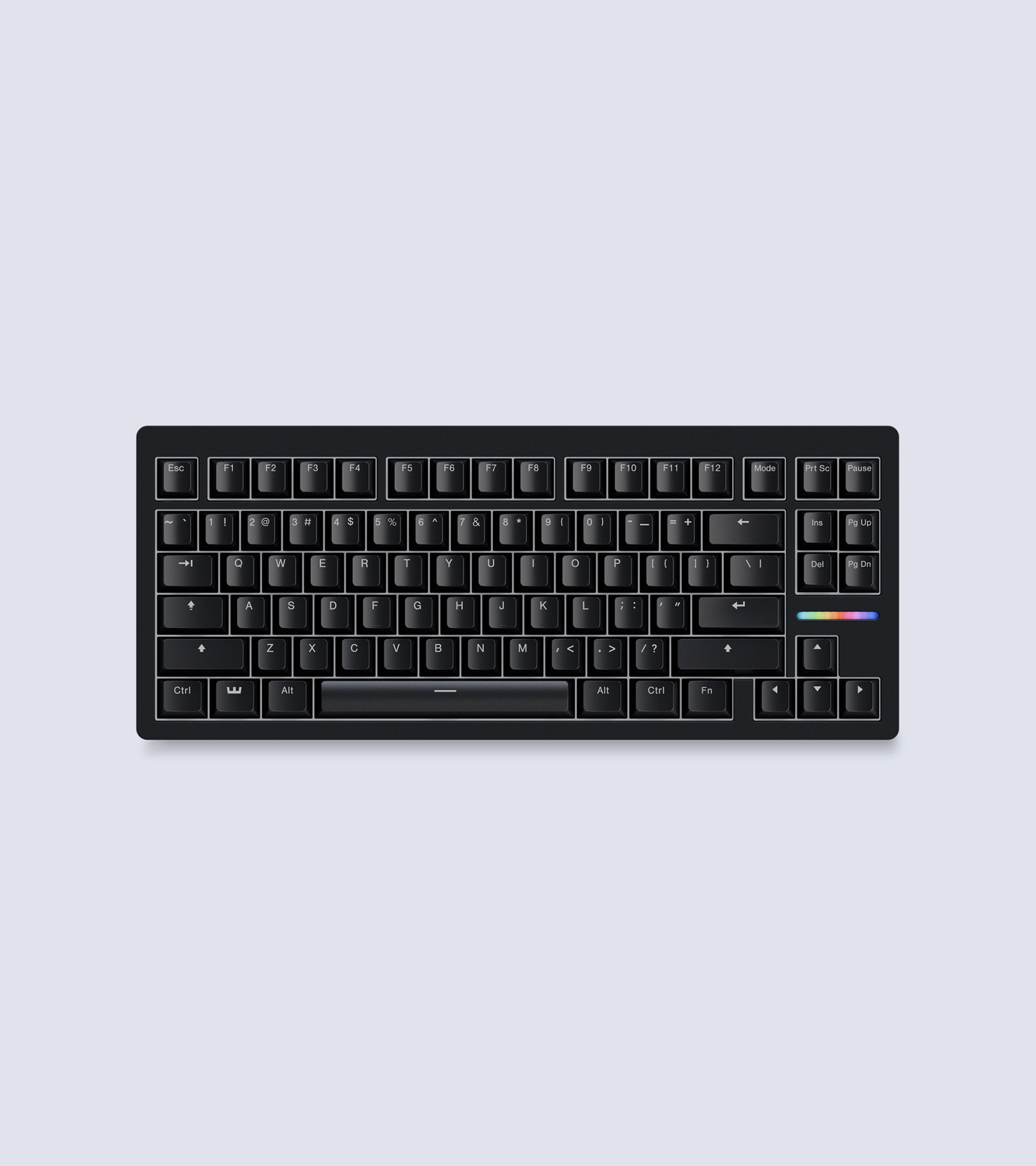
- 60%
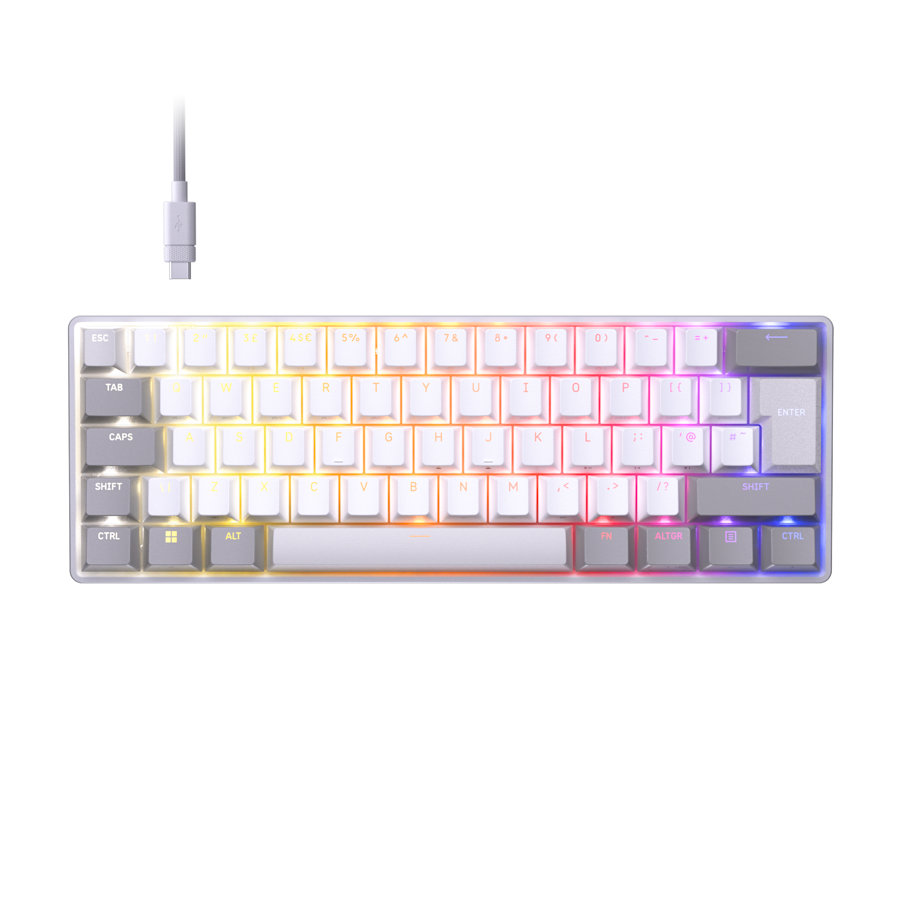
- TKL
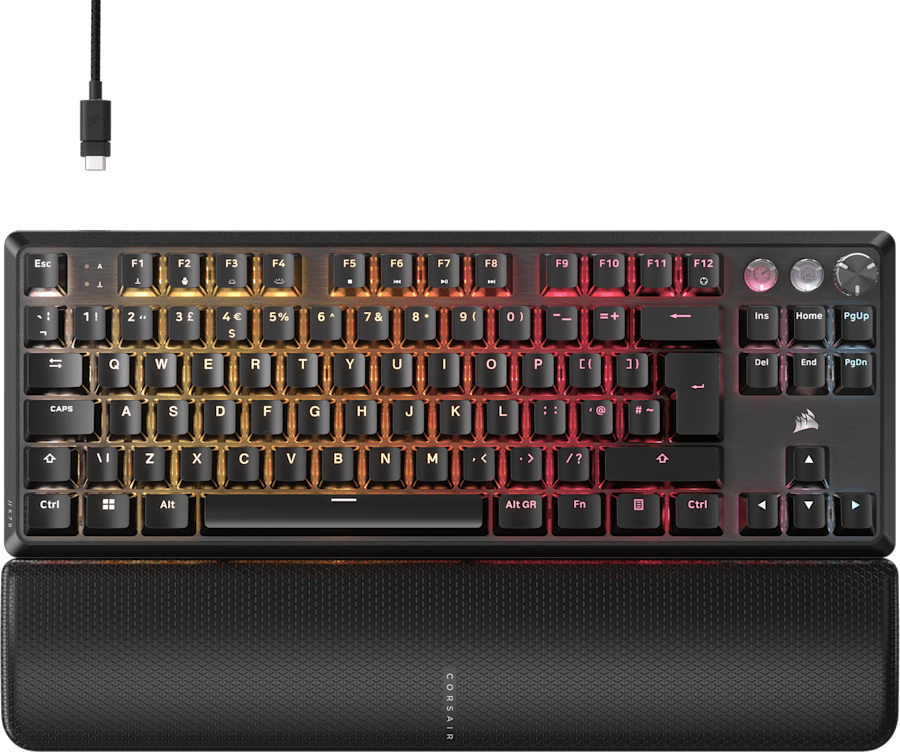
- 96%
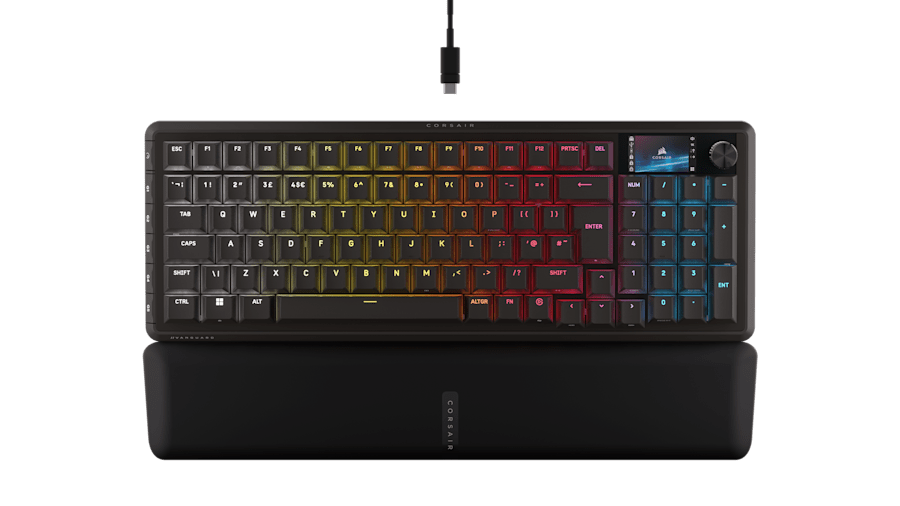
- 100%
- 60%
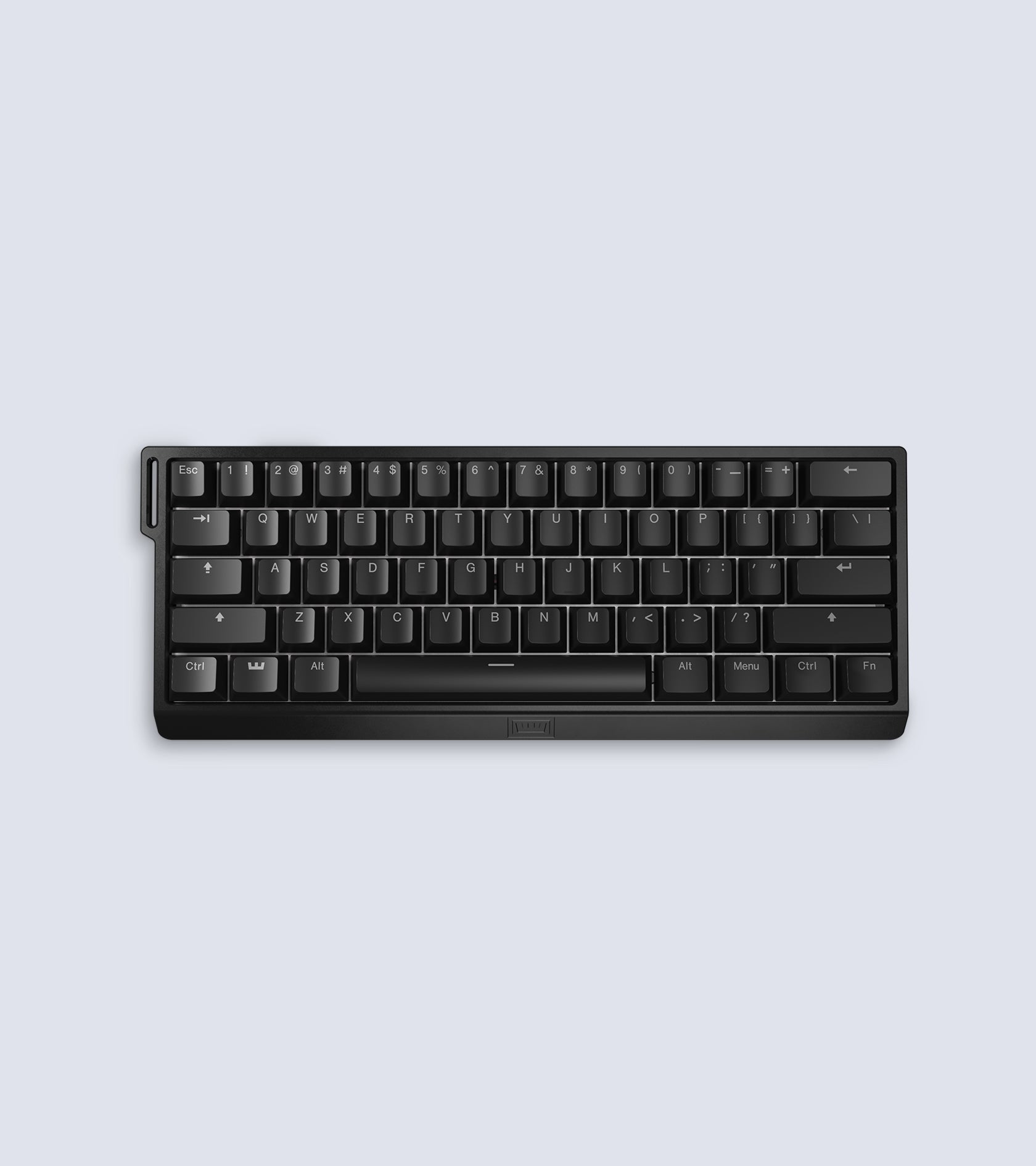
- 100%
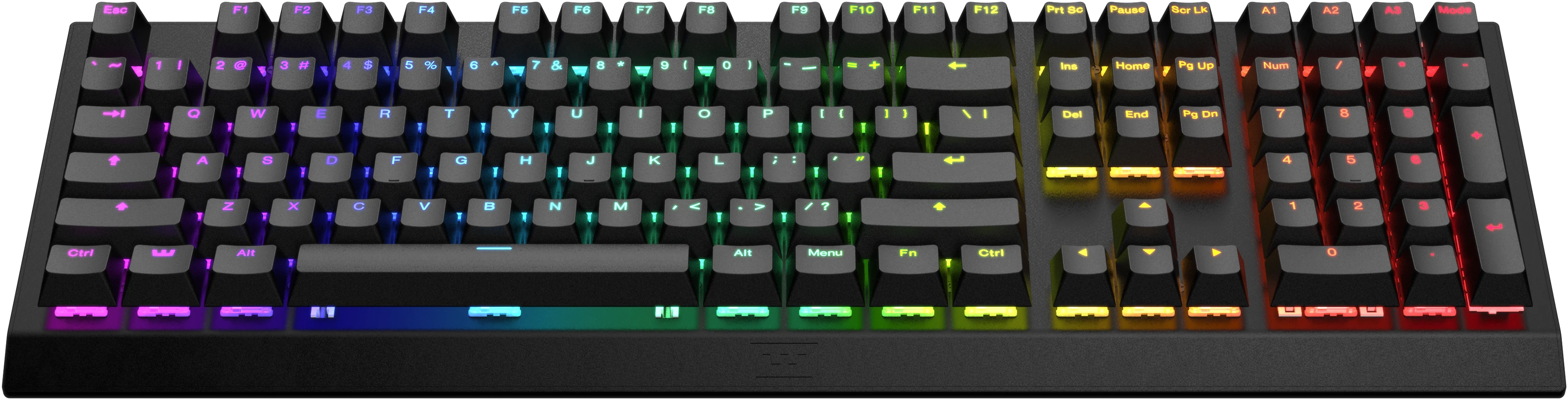
- TKL
Guides
- Buying a magnetic (Hall-effect) keyboardWhat to check before buying a Hall-effect keyboard: who it helps, switch lock-in, software, polling rate, UK layouts and current prices.
- Gaming keyboards under £150Gaming keyboards under £150 in the UK: magnetic boards with rapid trigger, optical boards and plain mechanical ones, and which features matter.